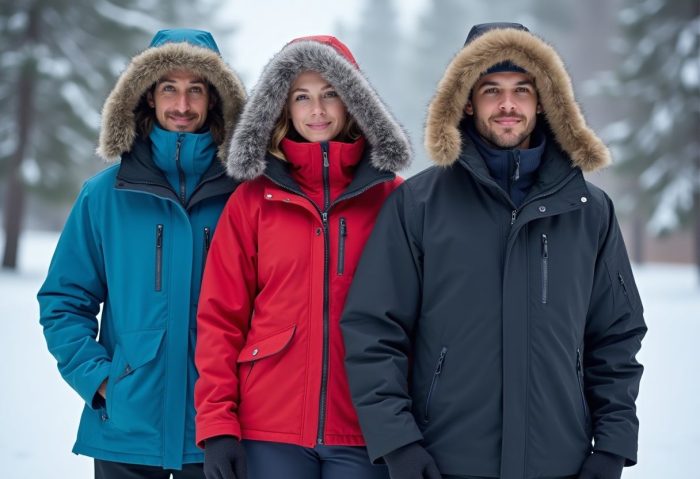
Puffer jackets, those quilted coats that wrap us in warmth and comfort, have become essential for facing the rigors of winter. But behind this cozy garment lie technologies and material choices that influence not only its appearance but also its performance in terms of warmth, lightness, and weather resistance. When choosing a puffer jacket, it is essential to understand the different fabrics used in its construction. This knowledge will help guide your choice based on your specific needs, whether for mountain hiking, city strolls, or travel in cold climates.
Polyester: the essential puffer jacket material
Polyester is ubiquitous in the outdoor clothing industry, and for good reasons. It is a popular choice for puffer jackets due to its many qualities.
Polyester offers remarkable abrasion resistance, making it a durable choice for garments that must withstand the elements. As a synthetic fabric, it is also water-resistant, helping to protect the down or synthetic insulation inside the puffer jacket. The relatively low production cost of polyester makes it an economical option for manufacturers, which often translates to a more affordable purchase price for the consumer. For those looking for a women’s puffer jacket that combines style and functionality, polyester is often a favored choice.
Nylon: the ally of outdoor adventures
Nylon stands out for its exceptional technical characteristics that make it a preferred material for puffers designed for extreme conditions.
- Exceptional durability: nylon is known for its toughness and ability to resist abrasion, making it a reliable companion for outdoor adventures.
- Lightweight: despite its strength, nylon is a lightweight material, which is crucial for a puffer jacket aiming not to weigh down its wearer.
- Waterproofing: nylon puffer jackets can be treated to enhance their water resistance, ensuring that the wearer stays dry even in light rain.
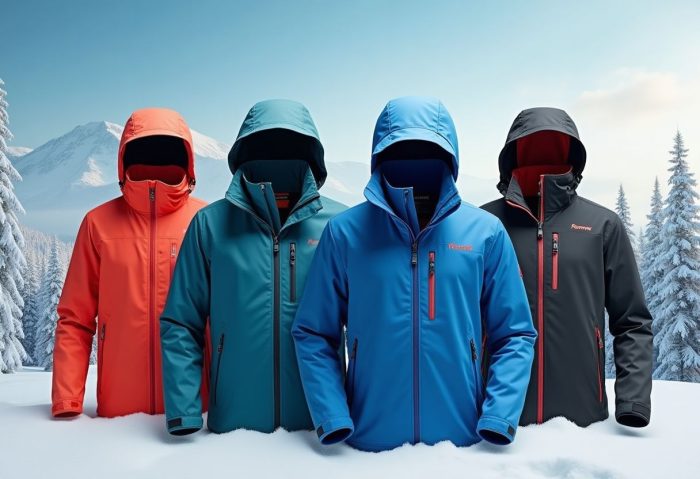
Cotton: a natural and comfortable option
Although cotton is less commonly used for puffer jackets, it remains an interesting option for those who prioritize natural materials and comfort.
Cotton offers a breathability that few synthetic fabrics can match, allowing the skin to breathe while providing adequate insulation. Cotton puffer jackets often feature a relaxed style, perfect for everyday urban use. Although it is not naturally water-resistant, cotton can be treated to enhance its water-repellent properties, making it more suitable for humid conditions. The soft and comfortable feel of cotton against the skin is unmatched, making it a pleasant choice for prolonged use.
Fabric blends: innovation for comfort
Fabric blends represent a growing category in the manufacturing of puffer jackets, combining the benefits of multiple materials.
By combining the qualities of different fabrics, manufacturers are able to create puffer jackets that optimize warmth, durability, and comfort. For example, a blend of polyester and cotton can offer the softness and breathability of cotton while benefiting from the water and abrasion resistance of polyester. These innovations are particularly valued in the fashion industry, where style should not sacrifice functionality. Blends may also include elastic fibers to enhance fit and freedom of movement.
Each type of fabric brings its own advantages and disadvantages to the making of a puffer jacket. By understanding these distinctions, it becomes possible to make an informed choice that meets your personal needs and preferences. Whether for technical or everyday use, the right fabric can transform a simple jacket into an indispensable companion for the cold months.