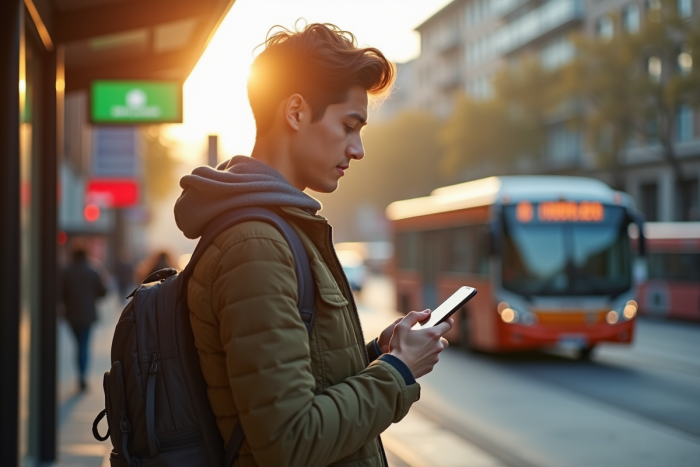
In 2023, more than 60% of European public transport networks now integrate a dematerialized ticketing solution. However, the adoption of certain digital tools remains uneven across cities and user profiles. Mobility authorities observe that technological accessibility does not automatically guarantee widespread use.
Some applications facilitate trip planning, ticket purchasing, or access to real-time information, but their effectiveness depends on various criteria: compatibility with existing systems, ease of use, and respect for privacy. Recent advancements are shaping a constantly evolving landscape.
The digitalization of urban transport: an overview of innovations that change the game
The urban transport sector is undergoing a profound transformation: digitalization is disrupting habits, reshuffling the cards of mobility, and pushing operators to rethink every step of the user journey. Networks now rely on emerging technologies to streamline traffic, optimize resource allocation, and adapt to changing demand. The Internet of Things (IoT) is being deployed on a large scale: sensors, smart terminals, and data flows intertwine to enable intelligent management of flows and more efficient maintenance.
In France, this movement is accelerating. Since 2022, the adoption of intelligent management solutions has changed the game for both operators and the public. Operating costs are reduced, and services are refined. A notable example of this transformation is Argos RATP, a platform that consolidates traffic data and provides tailored management tools for the needs of metropolitan areas. Thanks to these technologies, every intervention on the network is based on the analysis of massive volumes of data from thousands of sensors and connected systems.
The concept of transport solutions extends far beyond digital payment. It encompasses dynamic schedule management, route planning, ultra-personalized passenger information, and predictive maintenance. Cities, always in search of enhanced performance, are forming partnerships with digital players to build more flexible networks capable of addressing today’s urban challenges. This digital shift, far from being just a passing trend, is establishing itself as the cornerstone of urban mobility that is less resource-intensive, more transparent, and genuinely user-focused.
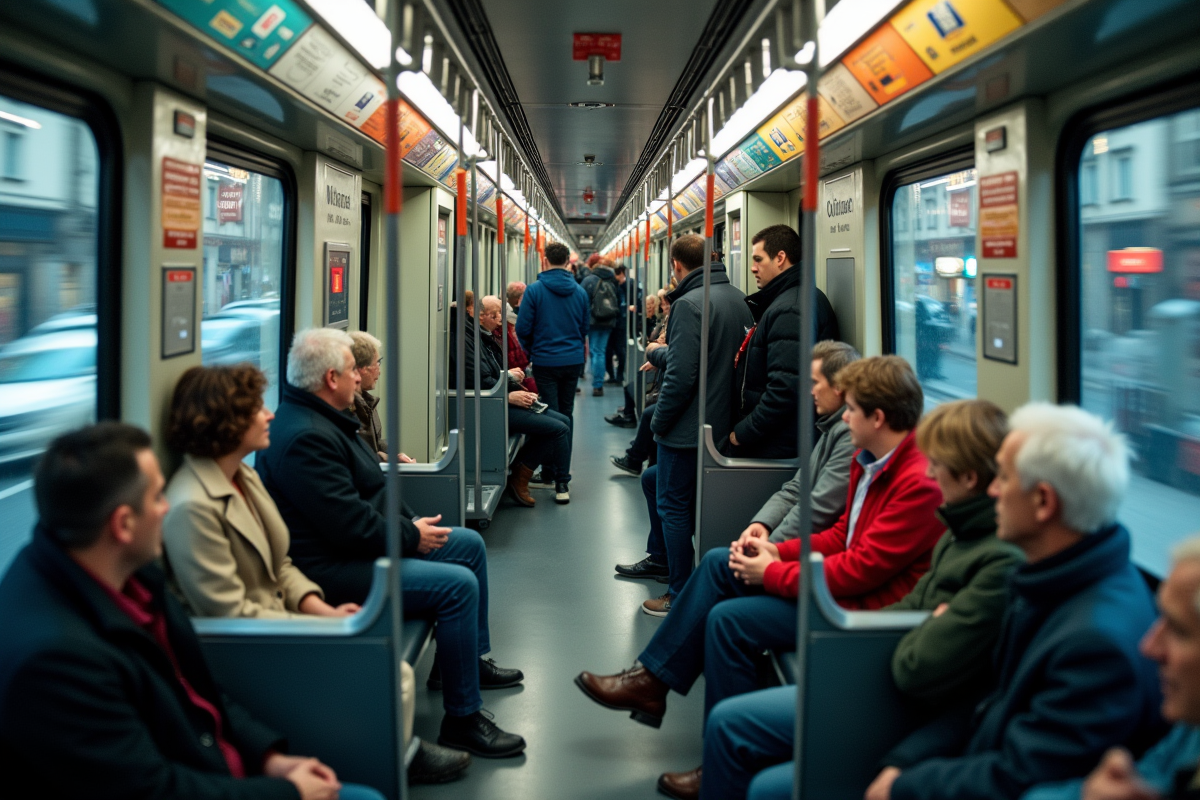
What tools concretely facilitate the daily lives of users?
It is impossible to talk about urban transport without mentioning the array of digital tools that transform every journey. Mobile applications, connected services, optimized time management, digital payment: the daily lives of travelers are now organized around these solutions. Checking a schedule, adjusting a route on the fly, anticipating an incident: these actions are becoming simpler and faster.
Here are some concrete examples that illustrate this evolution:
- Mobility applications provide instant access to schedules, network status, connections, and potential disruptions. They also allow for the reservation and payment of transport tickets, which avoids queues and simplifies entry into urban networks.
- Intelligent route management relies on passenger data: vehicle frequency adjusts according to crowd levels, automation makes traffic more regular, and service more reliable.
- Dematerialized payment systems, such as bank cards, smartphones, and QR codes, speed up access to transport and reduce physical contact, an advantage during health vigilance periods.
Mobility as a Service (MaaS) platforms gather the entire offering on a single interface: bus, tram, metro, bike-sharing. The idea is to enable a seamless journey from start to finish, regardless of the mode used. In the face of the growing volume of data, privacy protection has become a priority: operators and local authorities are increasing confidentiality guarantees, under the watchful eye of travelers and regulators.
Passenger information is also taking on a new dimension: anticipating disruptions, providing real-time alerts, and offering alternatives. This network of digital tools redefines the relationship between urban dwellers and public transport: more autonomy, more flexibility, and better consideration of expectations. Urban mobility is being reinvented, driven by the promise of an experience tailored to each individual, at the vibrant pace of the city.