
At 60 years old, a woman can lose up to 30% of her bone mass compared to her peak in her thirties. Contrary to popular belief, menopause does not signal the end of hormonal changes, but marks the beginning of a new phase of lasting fluctuations.
Skin tissues continue to evolve under the influence of internal and external factors, while the redistribution of body fat accelerates around the waist and hips. These transformations, long downplayed, contribute to redefining care and prevention needs.
What the natural evolution of the female body reveals after 60
After sixty, the body invites clarity: the natural evolution of a woman’s body at 60 is not just a simple story of wrinkles or gray hair. The skin becomes thinner, elasticity decreases, a direct consequence of a decline in hormones. Texture and firmness deteriorate, sometimes subtly, sometimes dramatically. Nerves and internal circulation adopt a new rhythm. Slowly, muscle mass declines, while fat reserves settle in, particularly around the waist. A few extra pounds eventually resist old dietary or exercise routines.
Here are several concrete changes to expect over time:
- Weight loss becomes more difficult, as metabolism naturally slows with age.
- Bone density decreases, putting the strength of the skeleton to the test.
- The body loses mobility and flexibility, altering the relationship with effort and movement.
No trajectory is the same as another. Some experience these phases with little discomfort, while others notice clear adaptations: weight shifts, loss of tone, fluctuating vitality. Tissues move, mass distribution transforms, energy reinvents itself.
What impacts do menopause and hormonal upheavals have on health and well-being?
From an intimate perspective, menopause profoundly disrupts reference points. The cessation of sex hormones shakes up daily metabolism, accelerates the decline of bones density, and weakens the skeleton. Less estrogen also marks the beginning of a gradual loss of muscle mass that affects strength and posture, known as sarcopenia.
Deprived of the protective hormonal effect, the body undergoes serious adaptations: the immune system loses its quick response, skin elasticity declines, its relaxation becomes more pronounced, while wrinkles and grooves appear more distinctly. The production of collagen and elastin diminishes. Blood vessels also become more sensitive, which can mean heavy legs, circulatory issues, or new sensations of discomfort.
To better grasp the extent of these changes, here are some common manifestations:
- The risk of osteoporosis increases due to bone compression.
- Sarcopenia becomes more pronounced, directly impacting autonomy.
- The respiratory system ages, making endurance and activity more demanding.
Persistent fatigue, fragmented nights, or mood swings may accompany these transformations. It is advisable to focus on calcium intake, engage in suitable physical activity, and not neglect regular medical check-ups. The picture is not fixed: the health landscape is redrawn, and every action counts to navigate this transition smoothly.
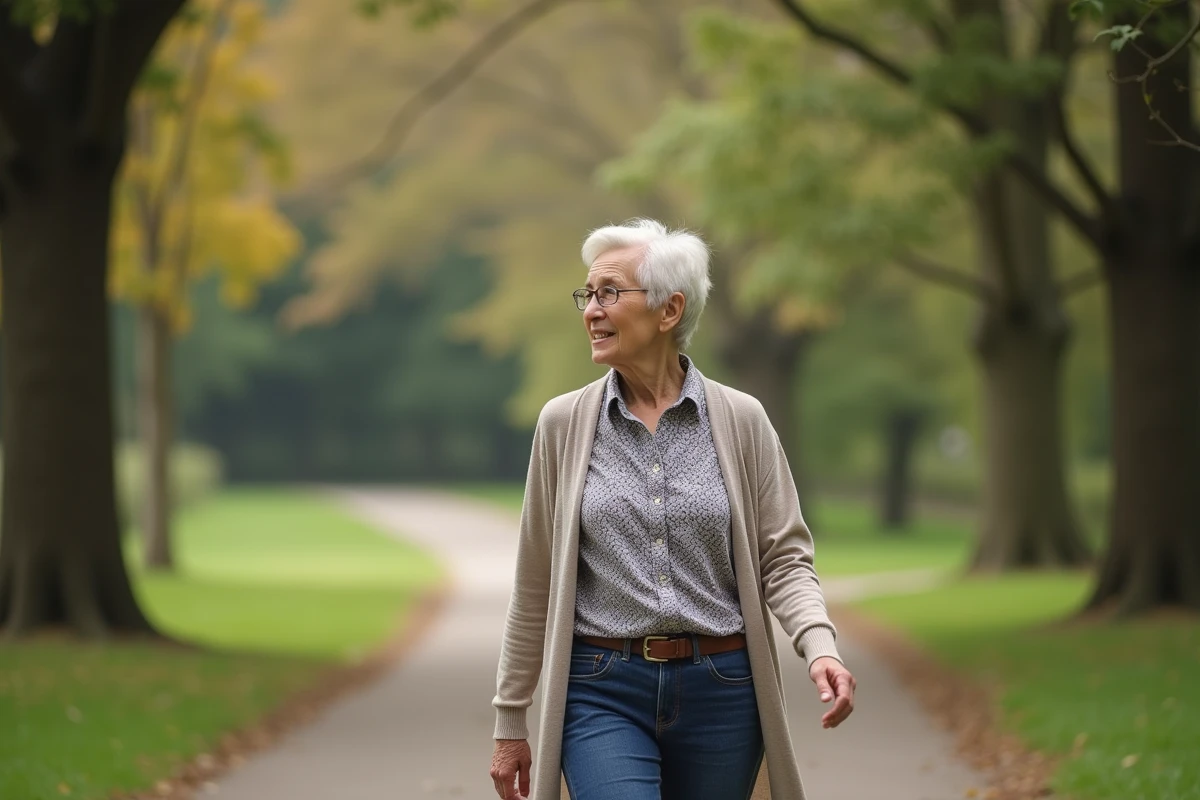
Care and appropriate gestures: taking care of your skin and body at every stage
At sixty and beyond, the approach to one’s body needs to evolve. The bodily changes of age require adjustments in daily habits to maintain mobility, comfort, and dynamism. The skin, more vulnerable, demands frequent hydration and nourishing care, rich in re-lipid agents. Protecting this weakened hydrolipidic film becomes a beneficial routine.
Beyond creams, lifestyle profoundly influences the quality of aging. Regular, even gentle, physical activity is enough to stimulate circulation, slow muscle loss, and maintain the skeleton. Walking, adapted strengthening, or gentle exercises all have their place. In terms of diet, protein intake protects muscle mass: fish, eggs, legumes, varying sources to complement each meal.
Here are some concrete measures to consider for better navigating these years:
- Turn towards real prevention: regular health check-ups, appropriate examinations, and truly listening to bodily signals.
- Add more antioxidant-rich foods to your plate to limit oxidative stress on cells.
- Protect the skin from the sun and sudden temperature changes: hats, protective textiles, and sunscreen link comfort and caution.
For those who wish to go further, aesthetic medicine offers a range of solutions, from targeted dermatological treatments to cellular stimulation techniques, each adapting their approach. Between vigilance, adjustment, and acceptance of new sensations, maturity moves forward resolutely, ready to cope with these transformations and savor every step. The body evolves; well-being, in turn, expands and reinvents itself with experience.