Ten milliliters do not make a centiliter, but ten centiliters correspond to one hundred milliliters. Most French recipes use milliliters and centiliters interchangeably, without always specifying the equivalence. Some utensils display only one of the two measurements, which complicates preparation for those who follow strict instructions.
In cooking, a conversion error with liquids can change the texture of a sauce or the success of a dough. The differences between measurement systems, combined with similar abbreviations, regularly create avoidable confusion.
Milliliters, centiliters: finally understand liquid measurements in cooking
In the kitchen, juggling with liquid measurements feels like a balancing act. One milliliter weighs nothing, but a simple oversight or excess can transform a recipe. Faced with the page of a cookbook, one hesitates: should I pour 50 ml or 5 cl? This kind of detail makes all the difference, especially when the success of a dessert depends on precise dosing.
The milliliters-centiliters conversion seems obvious. However, hesitations arise as soon as a recipe changes units. One centiliter is ten milliliters, nothing simpler. But in the heat of the moment, conversion errors can easily slip in: the hand pauses, doubt sets in. To convert milliliters to centiliters, simply divide the number by ten. For example, 300 ml to cl equals 30 cl, a conversion that often comes up during preparation. To explore all the subtleties, the site “How to convert 300 milliliters to centiliters in a few seconds – Je ne sais quoi” can be quite valuable.
Here are some useful conversions to keep in mind:
- 1 centiliter = 10 milliliters
- 100 milliliters = 10 centiliters
- 1 liter = 100 centiliters
Knowing how to juggle these conversions is essential when tackling a somewhat technical recipe. Whether it’s for water, milk, or broth, each unit influences the final texture and taste. There’s no room for approximation: precision remains the best ally for those who want to succeed in the kitchen.
Simple tips for converting ml to cl without mistakes in daily life
When it’s time to act, the gestures follow quickly. However, even the most seasoned can make mistakes in a rush. A measuring cup allows you to instantly read milliliters and centiliters. To convert, simply divide by ten: 70 ml becomes 7 cl, 250 ml becomes 25 cl. Once this rule is understood, it avoids confusion.
To make life easier in the kitchen, it’s better to equip yourself with suitable tools. Here are some practical solutions that make conversion easier:
- A conversion chart displayed prominently reminds you of classic equivalents, useful for everyday recipes: 50 ml = 5 cl, 100 ml = 10 cl, 500 ml = 50 cl.
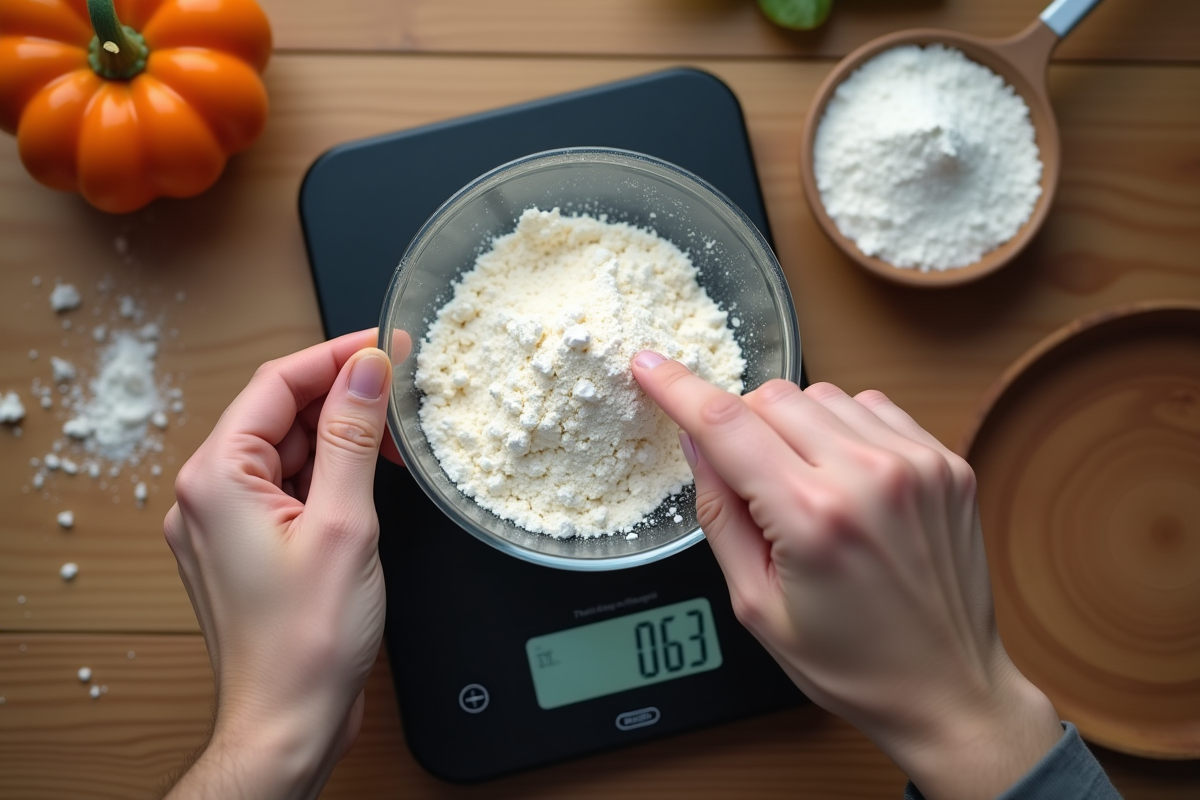
- The scale, set to grams, also measures liquids: for water or milk, 1 ml weighs 1 g.
- Spoons can help: a tablespoon holds about 15 ml, a teaspoon, 5 ml.
With a little organization, conversion tips become second nature. Prepare the measuring cup that suits the recipe, display the kitchen conversion chart within reach. If rigor and habit take hold, errors have no place, and success is invited to the table.
A correct measurement, a confident gesture: sometimes, the difference between a successful dish and a failure lies in the precision of a conversion. It’s up to everyone to turn routine into a reliable habit, so that everyday cooking resonates with confidence and simplicity.